L’orthoptie : retraining binocular vision for clearer, more comfortable sight
Опубликовано 2025-09-02
SQLITE NOT INSTALLED
Orthoptics — or, as it is named in French, L’orthoptie — is a branch of eye care that feels a little like physical therapy for the eyes. If you have ever wondered why two eyes don’t always work together smoothly, or why reading becomes tiring or double vision appears, orthoptics is the specialty that diagnoses and rehabilitates the subtle teamwork between the eyes. This article will take you on a friendly, thorough tour of what orthoptics is, how binocular vision can go awry, what a typical assessment looks like, the therapeutic approaches orthoptists use, and practical guidance for patients and families. Along the way I’ll keep the language simple and conversational, so you can feel confident asking the right questions at your next appointment.
Think of binocular vision as a partnership. Both eyes must align, move together, and process information in a similar way so the brain can fuse two slightly different images into a single three-dimensional view. When that partnership falters, symptoms range from mild discomfort to significant reading problems, headaches, or reduced depth perception. Orthoptists are the therapists of this partnership: they test the teamwork, offer targeted rehabilitation, recommend visual aids, and coordinate care with ophthalmologists, optometrists, pediatricians, and educators.
What exactly is orthoptics?
Orthoptics is the clinical discipline devoted to the diagnosis and non-surgical treatment of disorders of eye movements and binocular vision. The word itself comes from Greek roots meaning “straight” (ortho) and “vision” (opsis). Orthoptists are trained professionals who perform tests, prescribe and supervise vision rehabilitation programs, and provide long-term follow-up for conditions such as strabismus (eye misalignment), amblyopia (lazy eye), convergence insufficiency, and other oculomotor dysfunctions.
In many countries orthoptists work within eye clinics alongside ophthalmologists, particularly pediatric ophthalmologists and neuro-ophthalmologists. They play a key role in assessing how the two eyes work together, determining whether there is a sensory problem (how the brain interprets images) or a motor problem (how the eyes move), and designing tailored therapy plans that help patients regain better binocular function and comfort.
Why binocular vision matters
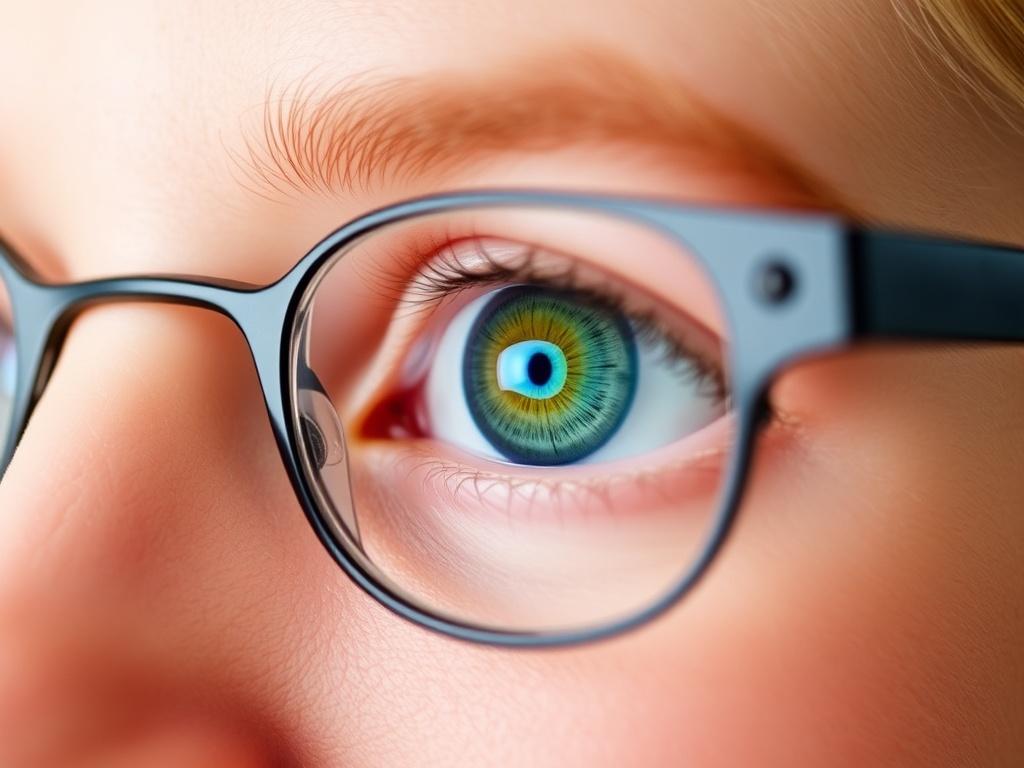
Binocular vision is what allows the brain to take two slightly different images from each eye and fuse them into a single, richer picture with depth. This fusion enables:
- Depth perception and stereopsis — judging distances and seeing the world in three dimensions
- Sustained near work — comfortable reading, writing, and screen use without fatigue
- Clear, single vision — avoiding double vision (diplopia)
- Balanced eye movements — smooth tracking for sports and daily tasks
When binocular vision is disrupted, people often experience headaches, eye strain, poor reading fluency, avoidance of near tasks, or even social and academic difficulties in children. For example, a child with a mild but untreated binocular problem may read more slowly or avoid reading, which can affect learning even without obvious visual acuity loss.
Common binocular vision disorders
Binocular vision problems range from small, intermittent issues to constant, obvious misalignments. Here are some of the disorders orthoptists commonly manage:
Strabismus (eye misalignment)
Strabismus occurs when the eyes are not aligned; one eye may turn in (esotropia), out (exotropia), up (hypertropia), or down (hypotropia). The misalignment can be constant or intermittent and may appear only when a person is tired or focusing on certain tasks. Strabismus can lead to amblyopia if the brain begins to ignore input from one eye, especially in young children.
Amblyopia (lazy eye)
Amblyopia is decreased vision in one or both eyes caused by abnormal visual development in childhood. It is often associated with strabismus, significant refractive differences between the eyes, or visual deprivation (like a congenital cataract). Orthoptists help identify amblyopia early and support treatment plans such as patching or penalization, in coordination with the eye doctor.
Convergence insufficiency
This is a common condition in which the eyes have difficulty turning inward together for near work. People with convergence insufficiency often report difficulty reading for long periods, double vision at near, or words that seem to move on the page. Orthoptic rehabilitation has strong evidence supporting its effectiveness for convergence insufficiency.
Convergence excess and divergence insufficiency
The opposite problem, where the eyes turn inward too much (convergence excess) or have difficulty turning outward (divergence insufficiency), can also disrupt binocular vision and comfort, particularly at different viewing distances.
Accommodation problems
Accommodation is the eye’s ability to change focus from distance to near. Some individuals have underactive or overactive focusing systems, which can cause blurred vision, headaches, or difficulty sustaining near tasks. Orthoptists assess and manage accommodative dysfunctions, often in combination with vergence (eye alignment) therapies.
Oculomotor dysfunction
Oculomotor problems affect how the eyes move: tracking a moving object, shifting gaze from one target to another, or maintaining steady fixation. These problems can impact reading, sports, and everyday visual tasks.
Who commonly needs orthoptic care?
Orthoptic care is relevant across the lifespan, from infants to older adults:
- Infants and young children: early screening for strabismus and amblyopia is crucial because the visual system is still developing.
- School-age children: learning difficulties, reading avoidance, or attention concerns can sometimes be linked to binocular vision problems.
- Adults: adults may develop strabismus, diplopia after trauma, or persistent symptoms following eye surgery. Office workers often present with near-vision fatigue related to vergence or accommodation strain.
- Elderly patients: age-related changes in eye alignment and muscle function can produce diplopia or reduced stereoacuity.
How orthoptists assess binocular vision — what to expect
A comprehensive orthoptic assessment is part clinical observation, part standardized testing, and part conversation. The orthoptist will ask about symptoms, history (including developmental and medical history), and visual demands (schooling, work, hobbies). The testing battery is designed to evaluate alignment, eye movements, sensory fusion, and visual processing.
Below is a practical table summarizing common tests and what they evaluate:
| Test | What it assesses | Why it matters |
|---|---|---|
| Cover/uncover and alternate cover test | Presence and size of ocular misalignment (strabismus) | Reveals manifest or latent deviations and guides treatment planning |
| Hirschberg and Krimsky test | Corneal light reflex for alignment estimation | Quick screening tool, useful for young children |
| Prism measurements (prism cover test) | Quantifies angle of deviation at distance and near | Essential for monitoring change and planning prisms/surgery |
| Stereotests (e.g., random dot stereograms) | Depth perception and binocular sensory fusion | Helps judge the degree of functional binocular vision |
| Near point of convergence | Ability to converge eyes for near work | Detects convergence insufficiency or excess |
| Accommodative testing | Focusing ability and accuracy | Identifies accommodative dysfunctions that affect near tasks |
| Eye movement testing (saccades and pursuits) | Quality and coordination of eye movements | Important for reading and tracking moving objects |
| Visual acuity and refractive assessment | Sharpness of vision and need for corrective lenses | Baseline requirement — refractive errors can masquerade as binocular issues |
These tests give the orthoptist a complete picture of both the mechanical and sensory aspects of vision. A thorough assessment also includes asking about headaches, motion discomfort, academic performance, and family history, because binocular problems often interact with lifestyle and development.
Treatment approaches — what orthoptic rehabilitation involves
Orthoptic rehabilitation aims to improve the coordination between the eyes and the brain so that single, comfortable, and efficient vision is restored or maximized. Treatment plans are individualized, based on the type and severity of the problem, the patient’s age, and the functional goals.
It is important to highlight that orthoptics rarely relies on a single solution. Instead, therapy often includes a combination of interventions:
- Optical correction: prescription glasses or contact lenses to correct refractive errors, including prism lenses when appropriate.
- Vision therapy/orthoptic exercises: structured programs to improve vergence, accommodation, and oculomotor skills.
- Sensory training: exercises and techniques designed to enhance the brain’s ability to fuse images from both eyes.
- Patching or penalization: used primarily in amblyopia to encourage the weaker eye to develop.
- Referral for surgical intervention: in cases of large or constant strabismus where alignment needs to be physically corrected; orthoptists often assess and follow up pre- and post-operatively.
- Coordination with other professionals: involving educators, occupational therapists, neurologists, or psychologists when visual problems intersect with learning, motor, or neurological issues.
While the phrase “vision therapy” can evoke step-by-step exercises, it’s best understood as a carefully prescribed rehabilitation program. A qualified orthoptist tailors the mix of activities and frequency to a patient’s needs and monitors progress regularly. Importantly, evidence supports certain uses of orthoptic therapy (for example, in convergence insufficiency and some cases of amblyopia), while other areas remain under study.
Optical interventions and prisms
Corrective lenses address refractive errors that can create or worsen binocular strain. In some situations, prisms are incorporated in spectacle lenses to reduce the need for the eyes to converge or diverge excessively. Prisms do not “fix” muscle control, but they can relieve double vision and improve comfort while therapeutic measures take effect or while waiting for surgical correction.
Patching and penalization for amblyopia
For amblyopia in children, occlusion therapy (patching the stronger eye) or penalization (blurring vision in the stronger eye with drops or lenses) encourages use of the weaker eye during the critical period of visual development. Orthoptists work closely with families to optimize compliance and monitor improvement. The approach is age-sensitive; treatment strategies differ for infants, young children, and older children or adults.
Non-surgical rehabilitation
Non-surgical methods aim to retrain the eye-brain relationship. They include vergence training to improve the eyes’ ability to work together at different distances, accommodative therapy to strengthen the focusing system, and oculomotor exercises to refine tracking and shifting. Many programs also involve sensory techniques to enhance fusion and stereopsis. While I won’t provide step-by-step exercises here, know that these therapies are structured, progressive, and supervised by the orthoptist to ensure safety and effectiveness.
Evidence and outcomes — what research says
The research literature supports orthoptic interventions for certain conditions more robustly than others. For example:
- Convergence insufficiency: randomized clinical trials have demonstrated that office-based vision therapy with home reinforcement is effective in improving symptoms and clinical measures more than home-based programs alone for many patients.
- Amblyopia: patching and penalization therapies are well-established for children; recent studies have also explored binocular approaches to amblyopia treatment with mixed but promising results.
- Strabismus: for many types of strabismus, surgical correction is the mainstay to restore alignment, but orthoptic therapy can enhance sensory fusion, help with pre-surgical assessment, and support postoperative rehabilitation.
Still, the field continues to evolve. Some areas—such as adult amblyopia treatment and the long-term outcomes of vision therapy for brain injury—require more high-quality trials. When evaluating claims, it is reasonable to ask for evidence and to seek care from accredited orthoptists and eye-care teams who monitor outcomes.
Practical considerations: duration, frequency, and what to expect
How long orthoptic therapy takes depends on the diagnosis, the patient’s age, the severity of the problem, and the goals of treatment. A few general points:
- Short-term improvements may be seen in weeks for some symptoms (e.g., reduced near-eye strain), but measurable changes in stereopsis or amblyopia can take months.
- Therapy is often most effective when sessions are regular and when home practice is followed as recommended; however, specific home exercises should be prescribed and supervised by the orthoptist.
- Follow-up is important. Even after symptoms improve, maintenance strategies and periodic check-ups help ensure long-term success and detect recurrence early.
Cost, access, and insurance coverage vary widely by country and healthcare system. Some vision therapy programs are clinic-based, while others combine office appointments with home-based activities. Ask your orthoptist what to expect in terms of time commitment, materials, and billing.
The orthoptist’s role in the team
Orthoptists bridge diagnostic and therapeutic care. Their scope typically includes:
- Performing targeted clinical assessments of binocular and oculomotor function
- Designing and supervising individualized rehabilitation programs
- Educating patients, parents, and teachers about functional implications and strategies
- Collaborating with ophthalmologists for surgical planning and postoperative care
- Referring to or coordinating with other professionals for learning, neurological, or developmental issues
In hospital settings orthoptists may manage pediatric clinics and neuro-ophthalmology services; in private practice they often work alongside optometrists and ophthalmologists. Their expertise is hands-on and patient-centered, focusing on measurable functional gains and improved quality of life.
Case examples — how orthoptics helps in daily life
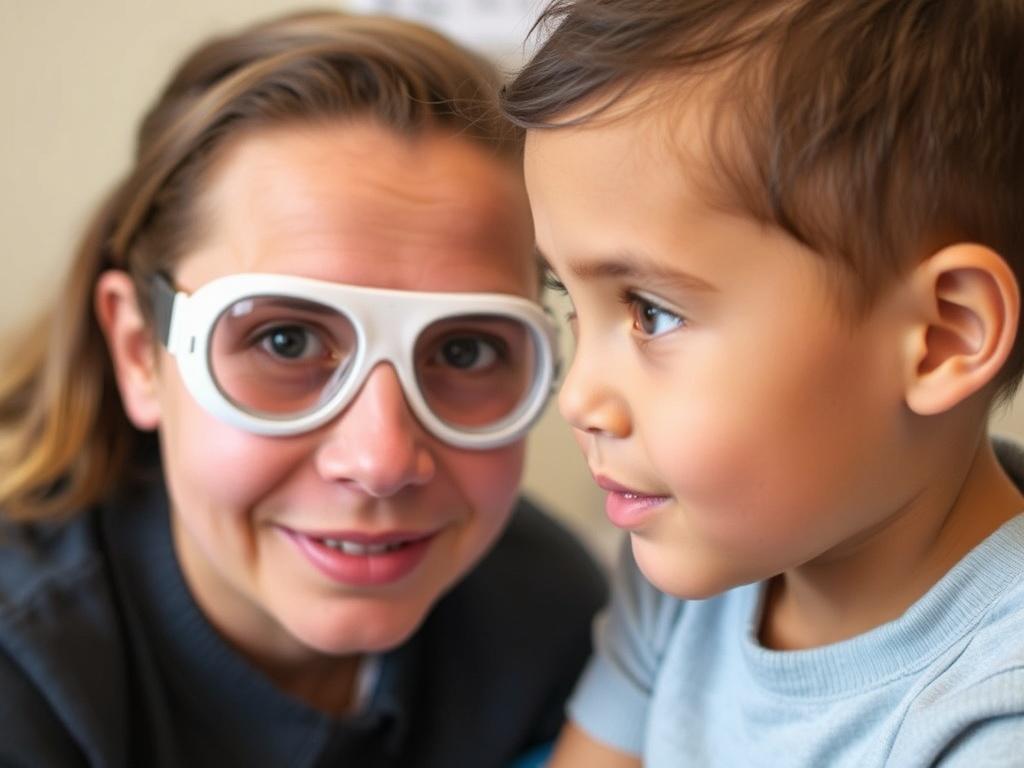
Real-world examples can make the benefits clear:
- A schoolchild who avoided reading because words “moved” was found to have convergence insufficiency. With assessment and a supervised therapy program, reading became comfortable again, and homework time decreased dramatically.
- An adult who developed double vision after head trauma received orthoptic assessment and a combination of prisms and rehabilitation to restore single vision and confidence driving and working at a computer.
- A preschooler with an inward-turning eye (esotropia) was evaluated early, underwent patching for amblyopia, and later had a small surgical correction. Orthoptic follow-up optimized binocular function and improved depth perception.
These stories share a common theme: targeted assessment and appropriate interventions can reduce symptoms and restore functional vision, often with improvements that ripple into school performance, workplace productivity, and everyday comfort.
What patients and families should ask and expect
When you meet an orthoptist, it helps to be prepared. Here are practical questions to ask and topics to cover:
- What are the key findings from the assessment?
- What are the treatment options and their goals?
- How long will therapy likely take, and how often will appointments be needed?
- What home activities or school accommodations are recommended?
- How will progress be measured, and what outcomes are realistic?
- How do interventions fit with other care (glasses, medications, surgery)?
- What costs are involved and is this covered by insurance or national health services?
Good orthoptists will explain both the clinical rationale and the practical road ahead. They will also discuss how to recognize when symptoms are improving or worsening, and when to seek further evaluation.
Prevention, screening, and the importance of early detection
Early identification of binocular problems improves the odds of successful treatment. Routine childhood vision screenings should include checks not only of acuity but also of alignment and basic binocular function. Parents and teachers can be alert for signs such as frequent squinting, closing one eye, head tilting, avoidance of near work, short attention span during reading, or frequent rubbing of the eyes.
Screening in workplace settings may also identify adults with new-onset binocular strain related to prolonged screen use or changes in vision. Occupational adjustments, ergonomic improvements, and timely orthoptic evaluation may prevent chronic symptoms.
How orthoptics fits within broader eye care
Orthoptics is one element of comprehensive eye care. Optometrists and ophthalmologists manage refractive corrections, eye disease, and surgical interventions; orthoptists specialize in binocular and oculomotor function. In many systems, the three professions collaborate:
- Optometrist: routine vision care, lenses, and sometimes primary binocular assessments
- Orthoptist: specialized binocular assessment and rehabilitation
- Ophthalmologist: medical and surgical management of eye disease and strabismus
This collaboration ensures that conditions are not managed in isolation: for example, an orthoptist may recommend refractive correction prior to therapy, or an ophthalmologist may perform surgery to correct a large misalignment, with the orthoptist providing pre- and postoperative care.
Barriers and myths about orthoptics
Several misconceptions can limit access to orthoptic care:
- “Vision therapy is unproven.” Evidence supports specific uses (e.g., convergence insufficiency). Like any field, orthoptics needs high-quality trials in more areas, but dismissing all forms of therapy is not justified.
- “Adults can’t improve.” While children often respond best because their visual systems are more plastic, adults can and do benefit from orthoptic interventions for certain conditions, especially when combined with optical aids and supportive therapies.
- “It’s just exercises — not medical.” Orthoptic care is a clinical specialty that uses evidence-based approaches; it’s as much rehabilitative medicine as physical therapy for the eyes.
Awareness, accurate information, and communication with trusted eye-care providers make it easier to navigate options and avoid ineffective or inappropriate services.
Resources and next steps
If you suspect a binocular vision problem, begin with an eye exam that includes assessment of alignment and binocular function. Look for orthoptists with recognized training and affiliations, and ask about collaborative care with ophthalmologists or optometrists. For parents, schools often welcome documentation that explains a child’s visual needs and potential classroom accommodations.
Many professional associations provide patient-facing resources and directories to find qualified orthoptists. Peer-reviewed journals and patient organizations offer summaries of current evidence, especially regarding areas where therapy is supported by trials.
Summary of assessments and useful checklists
Here is a compact checklist you can use before or during an orthoptic appointment, and a short table that summarizes common signs and likely referrals:
- Bring any prior eye prescriptions or reports.
- Note symptoms: headaches, double vision, reading difficulties, eye fatigue.
- Observe behavior: head tilt, closing one eye, avoidance of near work.
- Ask about school performance and daily visual demands.
- Prepare a list of questions about goals, duration, and costs.
| Sign or symptom | Possible issue | Typical referral/action |
|---|---|---|
| One eye turns in or out | Strabismus | Orthoptic assessment, possible glasses/prisms/surgery |
| Blurred or double vision at near | Convergence or accommodative problem | Orthoptic rehabilitation and optical correction |
| Poor depth perception | Sensory binocular dysfunction / amblyopia | Detailed sensory testing, amblyopia treatment if child |
| Difficulty tracking lines of text | Oculomotor dysfunction | Oculomotor training and educational support |
When to seek urgent care
Some visual symptoms warrant prompt medical attention rather than routine orthoptic follow-up. Sudden onset of double vision, sudden loss of vision, or visual changes associated with neurological symptoms (severe headache, weakness, numbness, speech changes) require urgent assessment by an ophthalmologist or emergency services. Orthoptic care is part of long-term rehabilitation, but rapid-onset or dangerous symptoms need immediate medical evaluation.
Looking ahead: innovations and the future of orthoptics
Orthoptics evolves with technology and research. Digital tools, virtual reality environments, and app-based platforms are being explored as adjuncts to traditional therapy, offering engaging ways to deliver sensory and vergence training. Telemedicine expands access to assessment and follow-up, though in-person evaluations remain essential for many measurements. Research into neural plasticity, binocular approaches to amblyopia treatment, and standardized outcome metrics is growing, promising better-targeted and evidence-based interventions in the coming years.
Practical tips for living with binocular vision issues
While you pursue assessment and treatment, several pragmatic adjustments can make daily life easier:
- Optimize lighting and reduce glare for reading and near work.
- Take regular breaks from near tasks using the 20-20-20 idea (briefly look at a distant object), though specific routines should be discussed with your orthoptist for tailored advice.
- Use appropriate-sized text and high-contrast materials to reduce strain.
- Discuss classroom or workplace accommodations, such as preferential seating or reduced screen time during therapy upgrades.
- Communicate openly with teachers, employers, and family about visible signs and needs.
These strategies are supportive measures and not substitutes for professional assessment and rehabilitation when indicated.
Final practical checklist before leaving the clinic
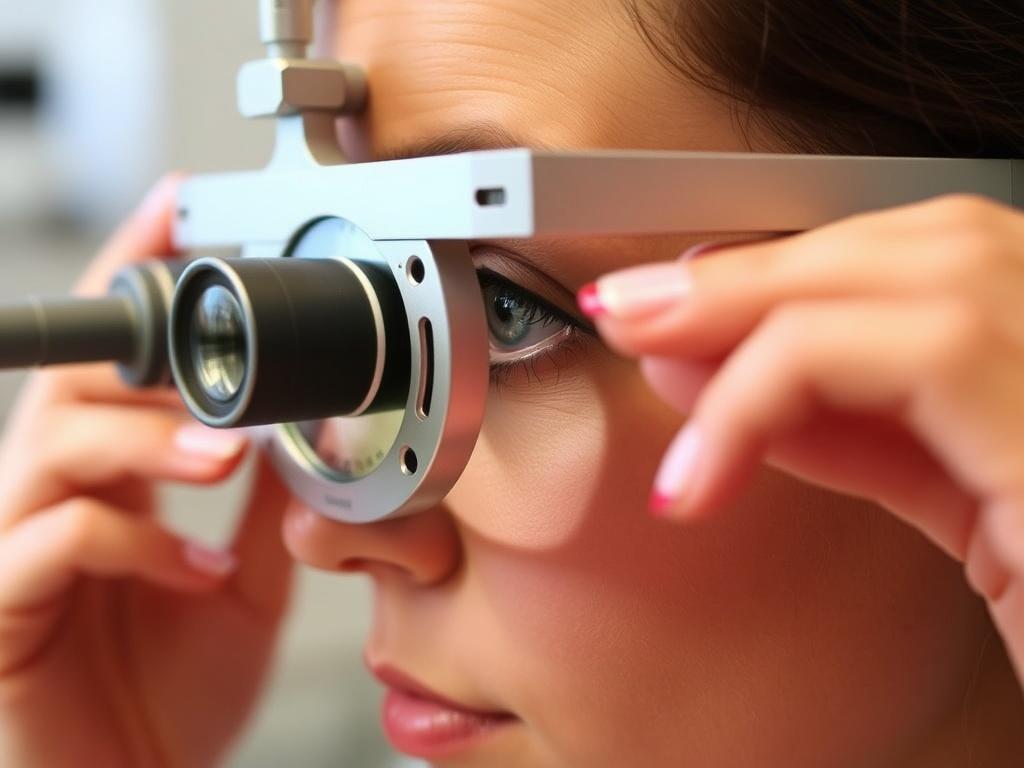
Make sure you have the following before you leave an initial orthoptic appointment:
- A clear summary of findings and diagnosis
- A written plan for therapy, follow-up appointments, and goals
- Instructions about any optical corrections or temporary measures (e.g., prisms, patching)
- Contact details for follow-up and questions
- Educational resources or referrals for additional support
Conclusion
Orthoptics, or L’orthoptie, is a humane, evidence-informed specialty that restores the teamwork between the eyes and the brain so people of all ages can see single, comfortable, and functional vision. Whether you are a concerned parent, a student struggling with reading, an office worker with persistent eye strain, or an adult facing double vision after injury, orthoptic assessment offers clarity, tailored rehabilitation, and a path toward improved daily function. Seek early evaluation for persistent visual symptoms, work with accredited professionals, and remember that with appropriate diagnosis and a coordinated plan, many binocular vision problems can be managed effectively, improving both vision and quality of life.
Внимание: Информация, представленная на сайте, не может быть использована для постановки диагноза, назначения лечения и не заменяет прием врача.

 Loading...