How to Check the Value of Old Coins: A Practical, Step-by-Step Guide
Опубликовано 2026-04-10
SQLITE NOT INSTALLED
Coins are tiny time capsules. A dull copper disc can link you to a street vendor from 1893 or a soldier halfway around the world. But not every old the best coin identifier app is worth a fortune, and the difference between a pocket-change curiosity and a valuable numismatic piece often comes down to a few subtle details. This guide walks you through the process—identifying, evaluating, authenticating, and estimating value—so you can approach your coins with confidence rather than guesswork. Start slowly. Handle coins gently. The first look tells you a lot: the date, a mint mark, the metal, and whether the coin appears worn or crisp. From there you’ll use tools, references, and a little detective work. Below I’ll show practical steps, what to watch for, and the best resources to consult.
Identify the coin: the basics that matter most
Identification is the foundation. If you can’t accurately name the coin, you can’t value it. Focus on four simple facts: country, denomination, date, and mint mark. Those alone narrow the field dramatically.
Essential tools
- Loupe (10x) or magnifying glass – for mint marks and fine details.
- Digital calipers – to measure diameter and thickness to compare with reference specs.
- Precision scale (grams) – metal content and counterfeits often reveal themselves by weight.
- Soft cotton gloves or finger cots – oils from hands reduce value on high-grade coins.
- Notebook or phone camera – document details and take clear photos for later comparison.
Condition and grading: how wear changes value
Condition—the amount of wear and any damage—often drives price more than age. Grading can feel subjective, but professionals use a consistent scale from Poor to Mint State.
| Grade | Short Description | Market Impact |
|---|---|---|
| Poor–Good (P–G) | Very worn; major details missing. | Low value except for extremely rare pieces. |
| Very Fine–Extremely Fine (VF–XF) | Clear major details; moderate wear on high points. | Common condition for many collectibles; moderate prices. |
| About Uncirculated–Mint State (AU–MS) | Little to no wear; Mint State coins show full luster. | Substantially higher prices; small grade jumps multiply value. |
| Proof (PR/PF) | Specimens struck for collectors with sharp detail and mirrored fields. | Proofs can be highly desirable; condition and specific issue matter. |
A few practical grading tips: examine the highest points first (those wear first), compare to online grade images, and remember that cleaned or scratched coins often grade lower in market terms even if technically “uncirculated.”
Rarity, mintage, and demand
Rarity isn’t simply about how many were originally made (mintage). Survival rates, historical collecting interest, and specific die varieties or errors affect value.
- Mintage: the number struck—useful but incomplete.
- Survival: some coins were melted, lost, or hoarded; survivors may be scarce.
- Varieties and errors: doubled dies, off-centers, and repunched mint marks can be valuable.
- Popularity: coins in high demand (e.g., certain 19th-century silver dollars) sell for more.
A low mintage coin that collectors don’t care about may still be cheap. Conversely, a moderately rare coin that happens to be in demand can command a premium. Look for documented die varieties in reference catalogs.
Authentication: avoid counterfeits and alterations
Fake coins are abundant in some series. A few straightforward checks catch most counterfeits.
- Weigh and measure. Compare to known specifications from a catalog or reputable website.
- Check the edge. Reeding, plain, or lettered edges should match the type and period.
- Use a magnet. Most genuine gold and silver coins are non-magnetic; base-metal fakes sometimes stick.
- Compare strike details. Use high-resolution images of verified genuine specimens—die characteristics and blemishes can confirm authenticity.
- Watch for discoloration and tooling. Artificial toning, filed rims, or tool marks often indicate “improved” coins.
- When in doubt, send to a professional grading/authentication service (PCGS, NGC, ANACS).
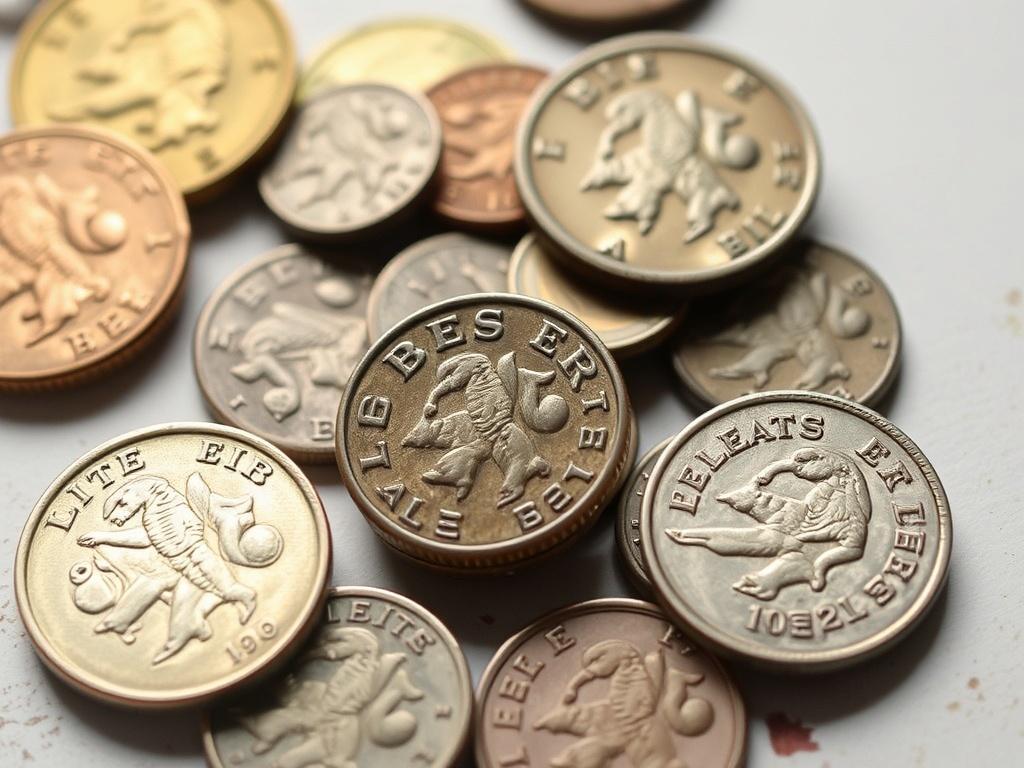
Avoid destructive tests (acid, drilling, or cutting). They can destroy value and are unnecessary for most evaluations.
Valuation resources: where to look and what to trust
Value depends on current market prices, which can shift quickly. Use multiple sources to triangulate a realistic number.
| Resource | Strengths | Limitations |
|---|---|---|
| Professional grading services (PCGS, NGC) | Accurate authentication, population reports, and price guides. | Fees and wait times; slabbed coins can sell at premiums. |
| Red Book and printed catalogs | Authoritative, useful for long-term reference. | Printed prices lag market; best for general guidance. |
| Auction records (Heritage, Stack’s Bowers) | Real-world selling prices for comparable items. | High-end results may not reflect retail market; buyer premium varies. |
| eBay/completed listings | Current marketplace prices and demand signals. | Varied seller grading accuracy; watch for small sample sizes. |
A practical approach: use a price guide (to set a baseline), check recent auction results (for serious pieces), and inspect similar listings on secondary markets (for retail-level prices). When values diverge widely, assume the conservative estimate until you see a professional opinion.
Cleaning, toning, and conservation: touch with care
Cleaning is the fastest way to cut a coin’s value. Even well-intentioned cleaning removes original surfaces and often leaves micro-scratches or chemical damage visible under magnification. – If a coin is dirty, leave it be. Light surface dust and grit rarely hurt a professional exam. – Natural toning can add appeal to collectors. Artificial or uneven toning can be seen as tampering. – Store coins in inert holders (Mylar flips, acid-free envelopes, or hard plastic slabs) and control humidity. – For coins with heavy corrosion (bronze disease, verdigris), consult a professional conservator before any treatment. Think of original surfaces as the coin’s skin: scarring it reduces its story and its market value.
Where to get a formal opinion and how to sell
Once you have a solid idea of identification and condition, decide whether to seek grading or sell as-is. Options:
- Local reputable coin dealer: good for quick offers, local market knowledge helps; get multiple offers.
- Professional grading (PCGS/NGC): increases buyer trust and often the selling price for high-value coins; pay grading fees.
- Auction houses: best for rarities and high-end coins; consignment fees apply and sale can take time.
- Online marketplaces: eBay and specialized sites allow direct sales to collectors, but require careful listing and photography.
- Coin shows and clubs: excellent for networking, comparison prices, and informal appraisals from experienced collectors.
If selling, prepare clear photos (obverse, reverse, close-ups of mint marks and any damage), a condition description, and documentation. For valuable coins, always ask for multiple opinions or a formal appraisal.
Practical checklist: a step-by-step workflow
Follow this checklist when you first examine a coin:
- Photograph the coin both sides against a neutral background.
- Record date, mint mark, denomination, and visible legend details.
- Weigh and measure; note any mismatch with standard specs.
- Inspect with a loupe for die marks, repunching, or signs of alteration.
- Estimate a grade or find a near-match grade photo in a reference guide.
- Search auction records and price guides for comparable pieces.
- If the coin appears rare or valuable, consider professional authentication.
- Decide: hold, slab, sell to dealer, or list online.
Treat this list like a short ritual. Consistency brings clarity and avoids costly mistakes.
Common pitfalls and how to avoid them
A few traps repeat themselves in the hobby:
- Assuming age equals value: common coins were minted in the millions.
- Relying on a single online price: one seller’s listing is not a market price.
- Cleaning to “improve” appearance: this usually reduces market value.
- Jumping to a grading conclusion without comparison photos and specs.
- Trusting unsolicited offers from unknown buyers—always verify and get proof of funds.
Being cautious isn’t timid; it’s smart. Coins can surprise you both ways—worthless and priceless alike.
Useful terms to know
- Mint mark: letter indicating the mint (e.g., D, S, P).
- Planchet: the blank piece of metal struck into a coin.
- Die variety: slight differences between dies used to strike coins; often collectible.
- Strike: how sharply the design was impressed—“weak strike” reduces detail.
- Toning: natural color change due to metal oxidation; can be attractive or detrimental.
These terms will speed up your reading of catalogs and conversations with dealers.
Final practical tips
When you’re unsure, pause. A coin that looks valuable can be a common variety with a buyer’s premium attached—plenty of second looks avoid regret. Build a small network: a local dealer you trust, a coin club, and a reputable grading service. Over time you’ll recognize patterns—dates and mint marks that are routinely misunderstood, as well as the subtle signs of genuine rarity. Conclusion A useful valuation is a blend of careful observation, reliable tools, and smart reference checking. Start by identifying the coin and documenting it, then assess condition, check measurements, and consult catalogs and recent auction results. Resist the urge to clean, and when a coin appears truly rare or valuable, get professional authentication. With patience and the right resources you’ll turn curiosity into knowledge—and knowledge into fair prices, whether you decide to keep the piece as a story or sell it to the next collector.
Внимание: Информация, представленная на сайте, не может быть использована для постановки диагноза, назначения лечения и не заменяет прием врача.

 Loading...